English
 Español
 العربية
 Francés
 Русский
 Português
 Deutsch
 Italiano
 Kazakh

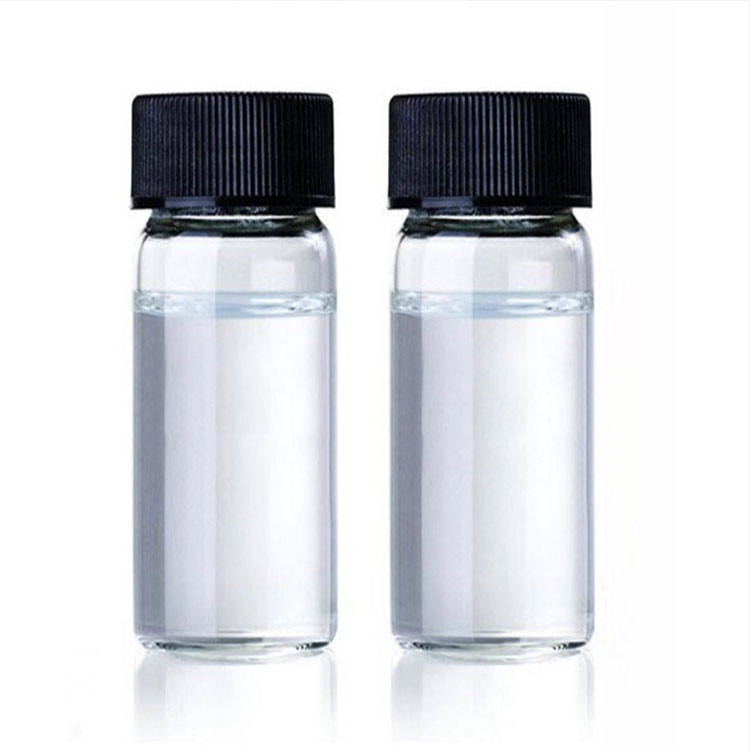
Diethylene glycol CAS#111-46-6
CAS Number: 111-46-6
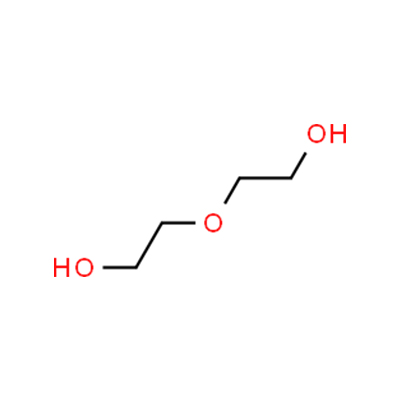
Chemical Formula:C4H10O3
Synonyms:
Diethyleneglyc
3-OxapentaMethylene-1,5-diol
Diethylene glycol, Bis(2-hydroxyethyl) ether
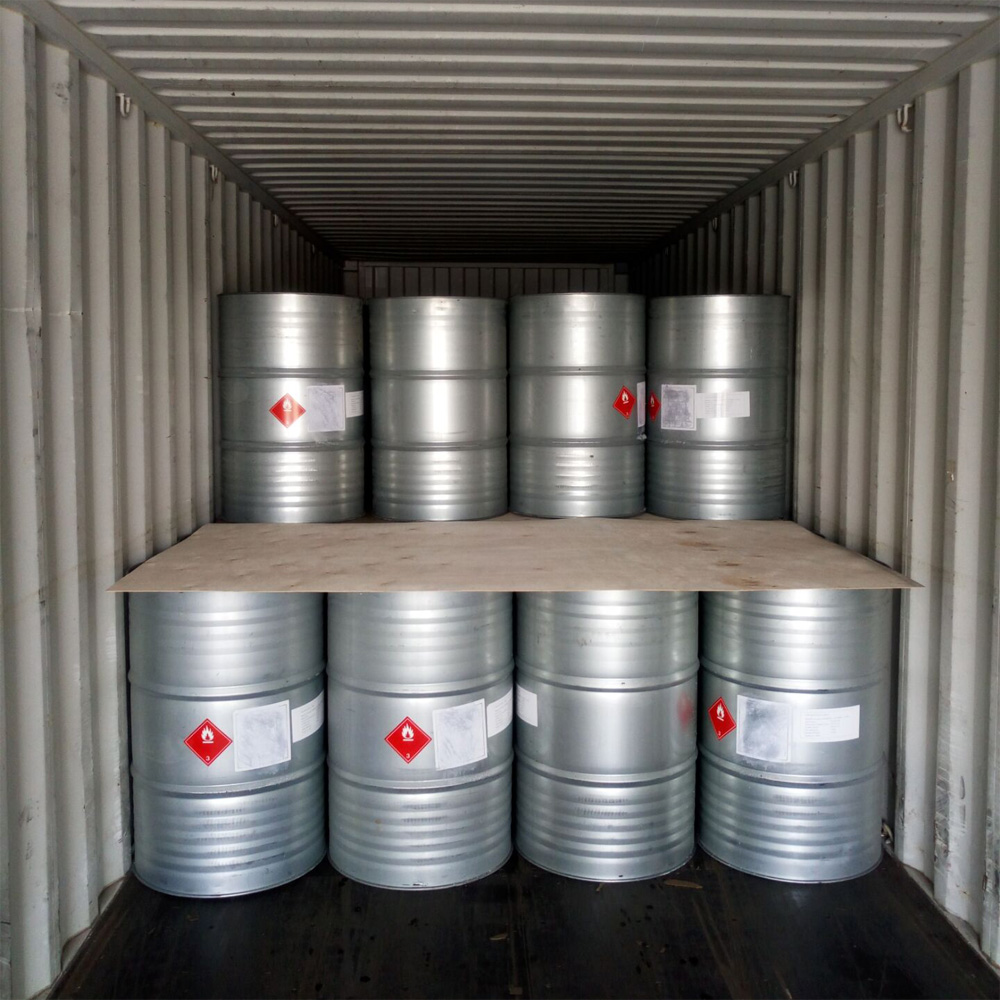
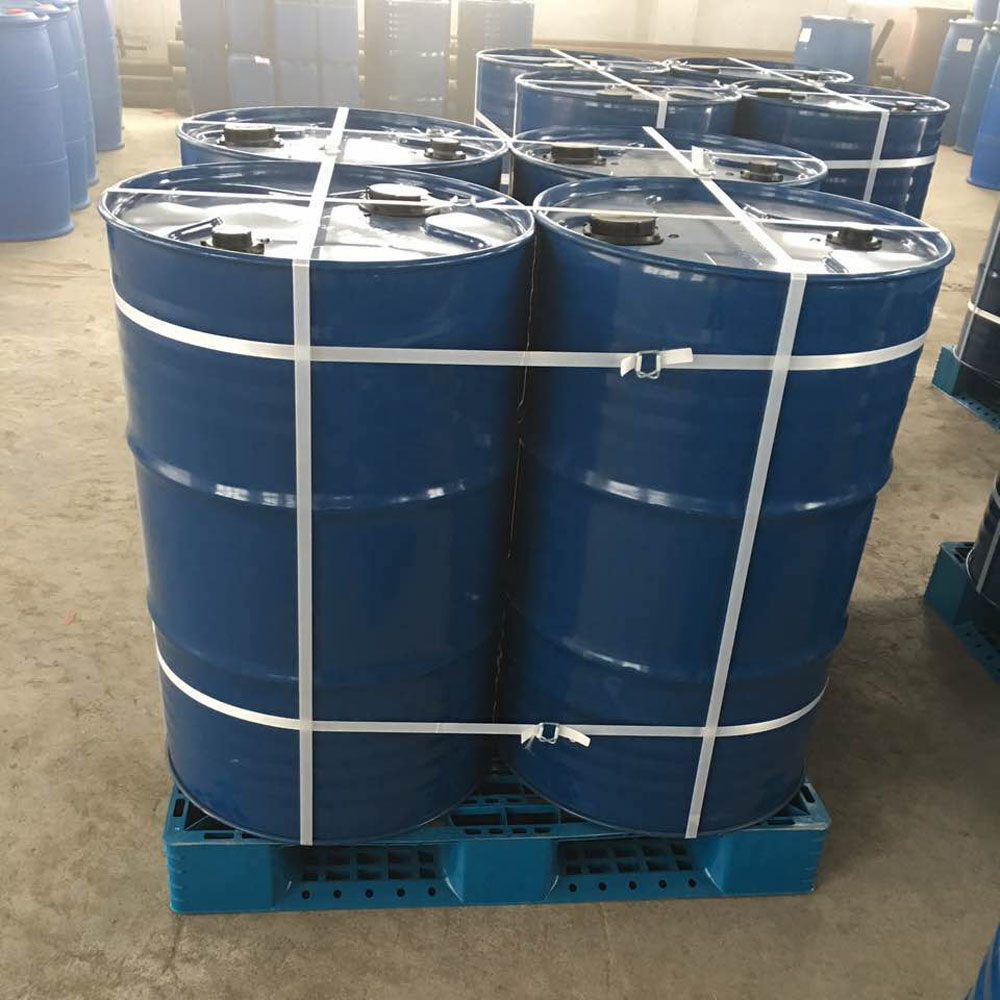
MOQ (Minimum Order Quantity): 1 FCL (Full Container Load)
Appearance: Transperant Liquid
Diethylene glycol CAS#111-46-6
Diethylene glycol is a clear colorless, odorless and stable oily liquid. It is also slightly viscous, noncorrosive and nonvolatile. Because of its ether and alcohol group, diethylene glycol exhibits chemical properties characteristic of both primary alcohols and ethers. Its boiling point is considerably higher than that of ethylene glycol, and its solvent is greater. Diethylene glycol is miscible with water, ethers, lower aliphatic alcohols, aldehydes and ketones and is partially soluble in benzene, carbon tetrachloride, monobenzene, orthodichlorobenzene and toluene. It dissolves many dyes, resins, oils, nitrocellulose and many organic substances. Because of its solvent power, low volatility and hygroscopicity, it is used in textile lubricants, cutting oils, dry cleaning soap, printing inks, steam-set inks, and nongrain wood stains. In the textile industry diethylene glycol is used as a conditioning agent for wool, rayon, and cotton. As a solvent for dyes it makes a valuable assistant in dyeing and printing. The high hygroscopicity of diethylene glycol makes it an efficient softening agent for tobacco, paper, synthetic sponges, glues and casein. Diethylene glycol is especially useful in the dehydration of natural gas. A mixture of diethylene glycol and monoethanolamine will remove moisture, hydrogen sulfide and carbon dioxide from natural gas.
Diethylene glycol Chemical Properties |
Melting point | −10 °C(lit.) |
Boiling point | 245 °C(lit.) |
density | 1.118 g/mL at 25 °C(lit.) |
vapor density | 2.14 (vs air) |
vapor pressure | 0.01 mm Hg ( 20 °C) |
refractive index | n |
Fp | 143 °C |
storage temp. | Keep in dark place,Sealed in dry,Room Temperature |
solubility | H2O: 50 mg/mL at 20 °C, clear, colorless |
pka | 14.03±0.10(Predicted) |
form | Oily Liquid |
color | colorless |
Odor | Practically odorless. |
PH | 5.5-7.0 (25℃, 50mg/mL in H2O) |
Relative polarity | 0.713 |
explosive limit | 2-12.3% |
Water Solubility | SOLUBLE |
FreezingPoint | -10.45℃ |
λmax | λ: 260 nm Amax: ≤0.02 |
Sensitive | Hygroscopic |
Merck | 14,3119 |
BRN | 969209 |
Dielectric constant | 31.7(20℃) |
Stability: | Hygroscopic |
Cosmetics Ingredients Functions | SOLVENT |
InChI | 1S/C4H10O3/c5-1-3-7-4-2-6/h5-6H,1-4H2 |
InChIKey | MTHSVFCYNBDYFN-UHFFFAOYSA-N |
SMILES | OCCOCCO |
LogP | -1.98 at 20℃ |
Surface tension | 45.55mN/m at 293.15K |
CAS DataBase Reference | 111-46-6(CAS DataBase Reference) |
NIST Chemistry Reference | Ethanol, 2,2'-oxybis-(111-46-6) |
EPA Substance Registry System | Diethylene glycol (111-46-6) |
Safety Information |
Hazard Codes | Xn,T,Xi |
Risk Statements | 22 |
Safety Statements | 46 |
WGK Germany | 1 |
RTECS | ID5950000 |
F | 10 |
Autoignition Temperature | 442 °F |
Hazard Note | Toxic/Irritant |
TSCA | TSCA listed |
HS Code | 29094100 |
Storage Class | 10 - Combustible liquids |
Hazard Classifications | Acute Tox. 4 Oral |
Hazardous Substances Data | 111-46-6(Hazardous Substances Data) |
Toxicity | LD50 in rats, guinea pigs (g/kg): 20.76, 13.21 orally (Smyth) |
Product Application of Diethylene glycol CAS#111-46-6
Diethylene glycol has many industrial uses. It is a component of antifreeze, brake fluids, cosmetics, inks, and drying agents, and it is used as a plasticizer. In antifreeze solution for sprinkler systems, water seals for gas tanks, etc. (water with 40% diethylene glycol freezes at -18°; with 50% at -28°); as lubricating and finishing agent for wool, worsted, cotton, rayon, and silk; as solvent for vat dyes; in composition corks, glues, gelatin, casein, and pastes to prevent drying out.
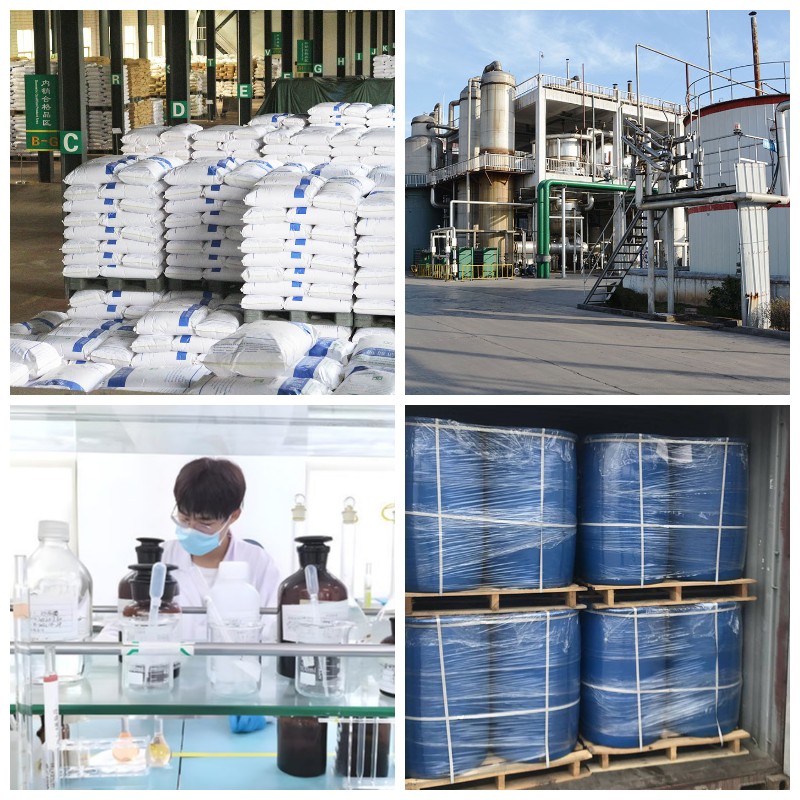
Fact Factory and Equipment Show
Fast delivery time
Inventory 2-3 working days New production 7-10 working days